
Struggling With Sleep Apnea? Simple Lifestyle Changes That Help
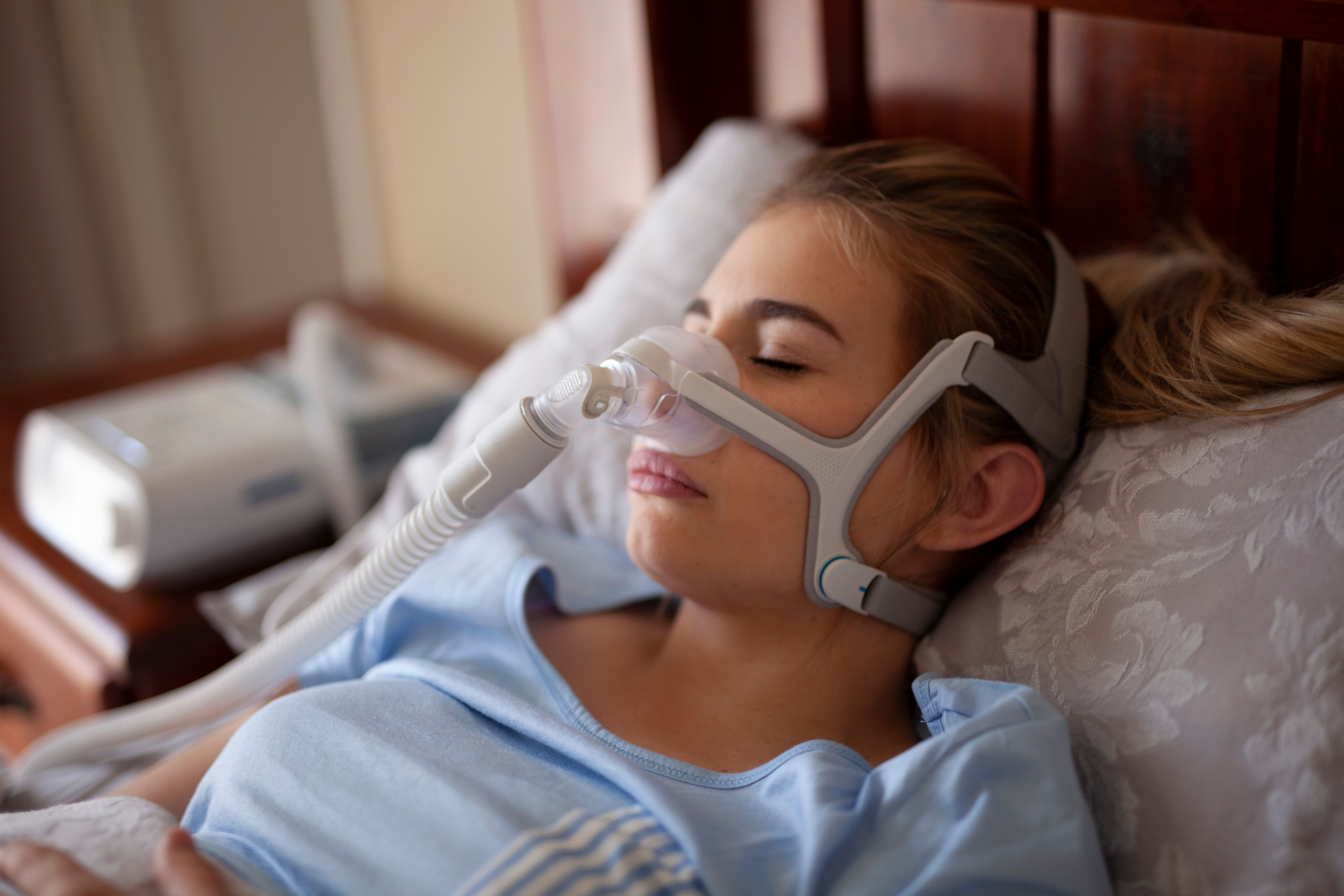
Waking up tired, struggling to stay awake during the day, or hearing complaints about loud snoring can be more than just frustrating - they may be signs of sleep apnea. This common sleep disorder disrupts breathing throughout the night, preventing your body from getting the rest it needs. While sleep apnea often requires professional care, simple lifestyle changes can play an important role in easing symptoms and improving sleep quality.
What Is Sleep Apnea?
Sleep apnea is a condition in which breathing repeatedly stops and starts during sleep. These interruptions reduce oxygen levels and prevent the body from reaching deep, restorative sleep. Left untreated, sleep apnea can increase the risk of high blood pressure, heart disease, stroke, diabetes, and chronic fatigue. The most common type, obstructive sleep apnea (OSA), occurs when the airway collapses or becomes blocked during sleep.
Lifestyle Changes That Can Help Improve Sleep Apnea
For mild to moderate sleep apnea, or alongside medical treatment, lifestyle adjustments can help reduce symptoms and improve sleep quality.
1. Maintain a Healthy Weight
Excess weight, especially around the neck and upper airway, can put pressure on the throat and restrict airflow during sleep. Even modest weight loss can lead to noticeable improvements in snoring and breathing patterns.
2. Sleep on Your Side
Sleeping on your back allows the tongue and soft tissues to fall backward, increasing airway obstruction. Side sleeping helps keep the airway open and can significantly reduce apnea episodes.
3. Limit Alcohol and Sedatives
Alcohol and certain medications relax the muscles of the throat, making airway collapse more likely. Avoid alcohol in the evening and discuss any sleep-related medications with your healthcare provider.
4. Establish a Consistent Sleep Schedule
Going to bed and waking up at the same time each day supports healthier sleep cycles and can improve overall sleep efficiency, even if apnea is present.
5. Quit Smoking
Smoking irritates and inflames the airway, increasing congestion and fluid retention in the throat. Quitting smoking can reduce inflammation and improve breathing during sleep.
6. Improve Nasal Breathing
If nasal congestion contributes to breathing issues, using saline sprays, treating allergies, or addressing chronic nasal blockage can help improve airflow at night.
When Lifestyle Changes Aren’t Enough
While lifestyle changes are helpful, they may not fully address moderate to severe sleep apnea. Persistent symptoms such as loud snoring, gasping for air during sleep, morning headaches, or excessive daytime sleepiness are signs that advanced treatment may be necessary.
Advanced Sleep Apnea Treatment Options
• CPAP Therapy (Continuous Positive Airway Pressure): CPAP is considered the gold standard for treating sleep apnea. It uses gentle air pressure to keep the airway open throughout the night, preventing breathing interruptions and improving oxygen levels.
• Oral Appliance Therapy: Custom oral appliances gently reposition the jaw and tongue to keep the airway open. This option is often ideal for patients with mild to moderate sleep apnea or those who struggle with CPAP therapy.
Lifestyle changes can be a powerful first step, but professional evaluation ensures you receive the right level of care for lasting relief.
Take the Next Step at Advanced Sleep Treatment
Sleep apnea is manageable - and you don’t have to navigate it alone. Whether you’re just starting to notice symptoms or have struggled with sleep for years, the right combination of lifestyle changes and advanced treatment can help you sleep better and live healthier.
Schedule a consultation with Advanced Sleep Treatment to explore personalized solutions, from lifestyle guidance to advanced sleep apnea therapies designed to restore restful, uninterrupted sleep. Visit our office in Silver Spring, Maryland, or call (240) 705-8333 to book an appointment today.
Services
Learn More
Keep
In Touch

CONTACT INFO
OFFICE HOURS
Monday 9:00am – 5:00pm
Tuesday Closed
Wednesday 9:00 am – 3:00 pm
Thursday 9:00 am – 3:00 pm
Friday 9:00 am – 3:00 pm
Saturday Closed
Sunday Closed
© 2026 Advanced Sleep Treatment. All Rights Reserved. Accessibility Statement - Privacy Policy - Sitemap
Powered by: 